


The short answer: for hiking in Utah, dress for sun first and temperature swing second. A light-colored wicking tee, durable stretch shorts or pants, a sun layer you can shed, and a packable shell cover the red rock playbook. Cotton is the only real mistake — everything else is preference.
Utah hiking has a specific personality: fierce sun, dry air, forty-degree swings between trailhead and summit, and sandstone that eats flimsy fabric. Here's what to wear for it, season by season and piece by piece.
The red rock rules
Three facts drive every choice. The sun is stronger than it feels — elevation and reflection off pale rock mean you're getting hit from above and below. The dry air lies to you — you're sweating more than you notice, so fabric that wicks and dries fast isn't optional. And the temperature swings hard — a May morning in the canyon can start at 45°F and hit 85°F by noon.
The base: light colors, technical fabric
Start with a wicking tee in white, bone, or light grey — light tones matter more here than almost anywhere. A structured technical tee holds up to pack straps without bagging out, and looks right at the brewery in Moab afterward. Long-sleeve sun shirts with a hood earn their place from May through September; think of them as wearable shade.
The bottom half: stretch and abrasion resistance
Slickrock scrambles and sandstone ledges are abrasive by design. You want shorts or pants with mechanical stretch and a tough face fabric — the kind built for movement and contact. In spring and fall, a utility pant handles cold starts and brushy washes; in summer, a 7–9" durable short with real pockets is the move. Find both in our hike collection.
The layers: one warm, one wind
Even in July, canyon bottoms and post-sunset overlooks run cold. Carry a lightweight fleece or hoodie plus a packable wind or rain shell — monsoon season (July–September) delivers fast, dramatic storms that end as quickly as they start. October through April, the warm layer moves from the pack to your back for the first hour of every hike.
Season cheat sheet
- Spring: tee + sun shirt + utility pant + wind shell. Prime season; dress for the swing.
- Summer: light tee or hooded sun shirt + durable shorts + monsoon shell. Start at dawn.
- Fall: the spring kit plus a warmer midlayer for early starts.
- Winter: full layering — base, fleece, shell. The parks are empty and spectacular.
Don't forget
A real brimmed hat, sunglasses, and more water than you think — the standard advice is standard because the sandstone doesn't negotiate. Grippy trail shoes beat boots on slickrock nine days out of ten.
FAQ
What should I wear hiking in Utah in summer?
A light-colored wicking tee or hooded sun shirt, durable stretch shorts, a brimmed hat, and a packable shell for monsoon storms. Start early and skip cotton entirely.
Do I need pants for Utah hiking?
In spring, fall, and winter, yes — and even in summer they're smart for brushy canyons. A stretch utility pant covers every case.
What colors are best for desert hiking?
White, bone, sand, and light grey reflect heat and hide red rock dust better than you'd expect. Save the dark colors for town.
Utah rewards the well-dressed hiker with the best light in America. Build your kit from the Utah collection and the hike edit, and get to the trailhead before the sun does.
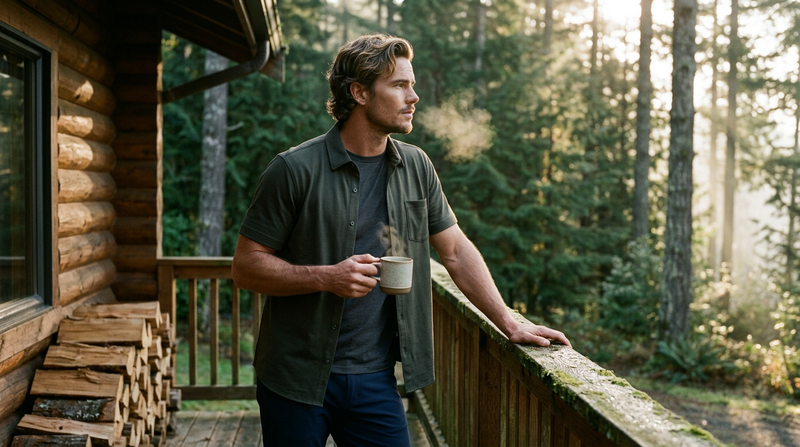
What to Wear to a Fall Cabin Weekend: A Men's Guide
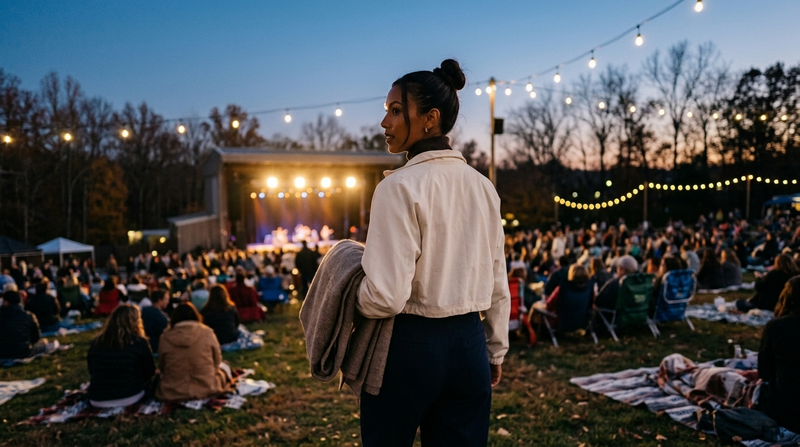
What to Wear to an Outdoor Concert in the Fall
The temperature drops ten degrees between the opener and the encore. A three-layer formula for what to wear...

What to Wear to the Presidents Cup
Medinah, September 22–27. A six-inch bag limit, fifty-five degrees at the shuttle and seventy by the turn. Pockets...